Carrickfergus Shipyard & Paul Rodgers
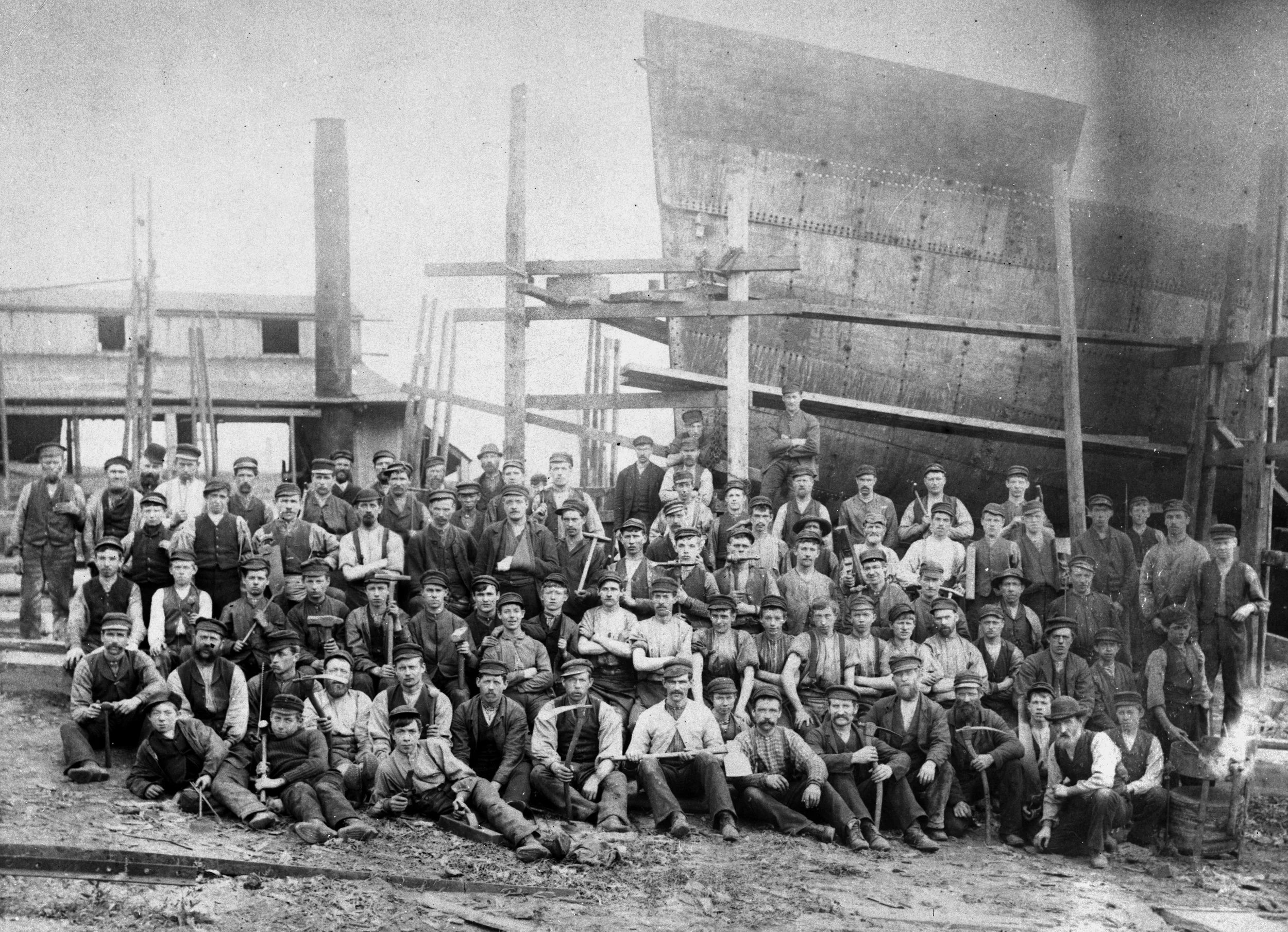
Above: Carrickfergus Shipyard Workforce in 1885. Courtesy of National Museums NI, Ulster Transport Museum Collection.
Given the town of Carrickfergus’ long maritime tradition there undoubtedly will have always been some kind of boat building taking place there. The Norman Invaders who built the castle and established the town made use of sea travel for communications, provisions and defence. This continued down the centuries and significant international trade was conducted from the port. Even the name ‘Carrickfergus’ comes from a legend about King Fergus of Dalriada; whose ship was wrecked on what would later become known as ‘Carrig Fhearghais’ (the rock of Fergus).
The first ship launched on record in Carrickfergus was that of the David Legg in 1845. Established on the Belfast Road the shipyard focused primarily on maintenance and repair work for ships using the harbour. This service, whether for planned regular maintenance or repairing damage from storms or collisions, being available locally was a great relief for Carrickfergus shipowners and vessels using the port.
By 1860 the yard was in the hands of Robert Johnstone and under his ownership rose up the ranks from apprentice to yard manager and ship designer, a man named Paul Rodgers. Rodgers quickly gained quite the reputation for his skills as a designer despite having no formal training in naval design outside of his apprenticeship. At the launch of the Catherine Fullarton in 1864 the correspondent for the Belfast Newsletter wrote “Great credit is due to Mr. Paul Rodgers, who drafted and built the brig. She is a specimen of naval architecture which would be no disgrace to the most eminent builders in the UK”.
Come 1870 Rodgers himself was owner of the yard and it was under him it flourished with increases in output and became a modest but well-respected shipbuilding business building. At its height the yard employed 150 men. Most orders were for schooners as this type of ship became popular among shipowners in certain trades. Rodgers’ successful designs were repeated, and the yard typically produced between one and two vessels per year. As opposed to the total of 6 vessels built between 1845 and 1870 under the previous owners.
Rodgers also expanded the yard’s maintenance facilities by building a small innovative dry dock from an old wooden hulk. In 1885 with his business thriving, and the expansion of the port of Carrickfergus that same year, Rodgers sought a lease of the foreshore to expand and modernise the shipyard. Furthermore, despite its prosperity he decided to abandon wooden shipbuilding in favour of moving to metal shipbuilding. The workforce would need to be retrained to learn new techniques totally different to those they were accustomed to, additional experienced workers hired, and the yard reorganised with new machinery and stock. All of this required significant investment however the self-confident Rodgers was convinced they needed to innovate given the commercial potential of metal ships. He had been following their development for years and saw that the future lay with them.
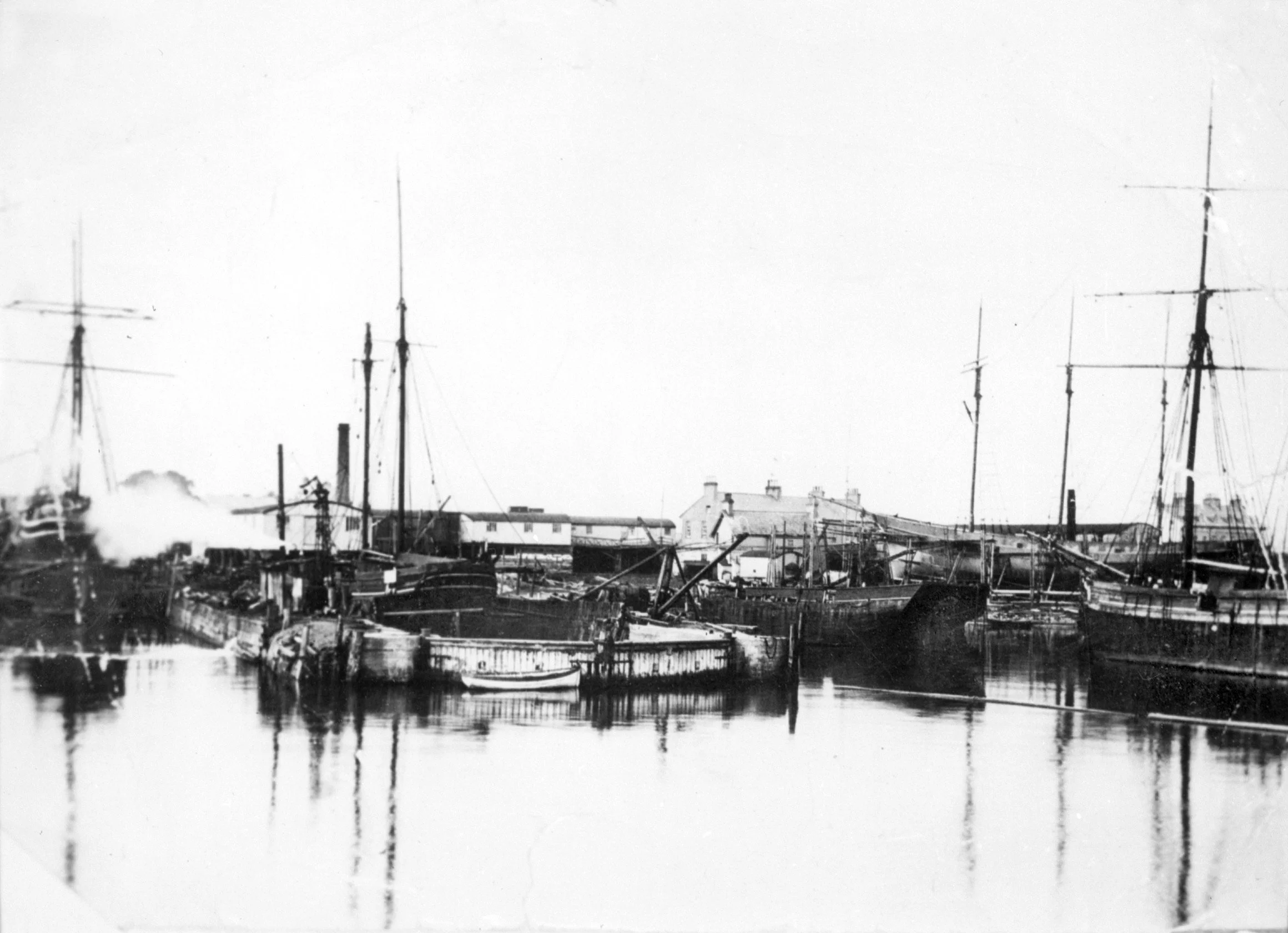
Carrickfergus Shipyard as seen from the water. Courtesy of National Museums NI, Ulster Transport Museum Collection
This decision was a remarkable one, very indicative of Rodgers’ character, as very few small shipbuilders dared make this leap. The strength of iron and steel made them attractive materials for shipbuilding. They were more durable, economical to upkeep and allowed for larger ships to be built. Fundamentally it became possible to decrease both the weight of vessels and the thickness of their hulls. A lighter ship can carry more cargo, and therefore earn more.
Unfortunately, the late 1880s held a lot of misfortune for Rodgers after the death of his wife, the loss of 4 of the 6 ships he held shares in, and a recession which saw shipyard orders cancelled, and no new vessels built for 2 years. Straight off the back of the large investment in expanding the yard and the change to building steel vessels Rodgers’ finances suffered greatly.
Former Ulster Folk & Transport Museum Maritime History Curator Michael McCaughan once wrote “Rodgers was an outstanding small-scale shipbuilder who turned out superlative sailing vessels in wood and steel”. However great a shipbuilder, a savvy businessman Rodgers was not. The workforce had a great family atmosphere, and Rodgers is described as a stereotypical Victorian grandfather-like figure to all. In times of recession, he refused to lay off any workers.
Construction on Result began in 1892 following prolonged design discussions between Rodgers, Thomas Ashburner (her owner) and Robert Wright (her first Captain). Legend has it once their debates over the design had ended; one of them questioned what the vessel should be named and to avoid any further debate another exclaimed “let’s just build the ship and see what the result will be!”. And thus, her name was chosen.
Following the dissolution of a partnership with a local linen merchant to help the yard out of its financial woes, Rodgers went bankrupt during Result’s construction. The yard was bought by Robert Kent from Ayr who then finished and launched Result on 6th January 1893. Kent quickly also found himself bankrupt after overspending on modernising the yard and a dispute over the completion of the steamship SS Rhanbouy the same year. Rodgers eventually bought back the yard for less than he had sold it for.
Until his death in 1901 Rodgers operated the yard with a smaller workforce and the focus was purely on maintenance, refurbishments and conversions. Today the shipyard site is home to Legg Park and Rodgers’ house the Maritime Cottage survives beside it.
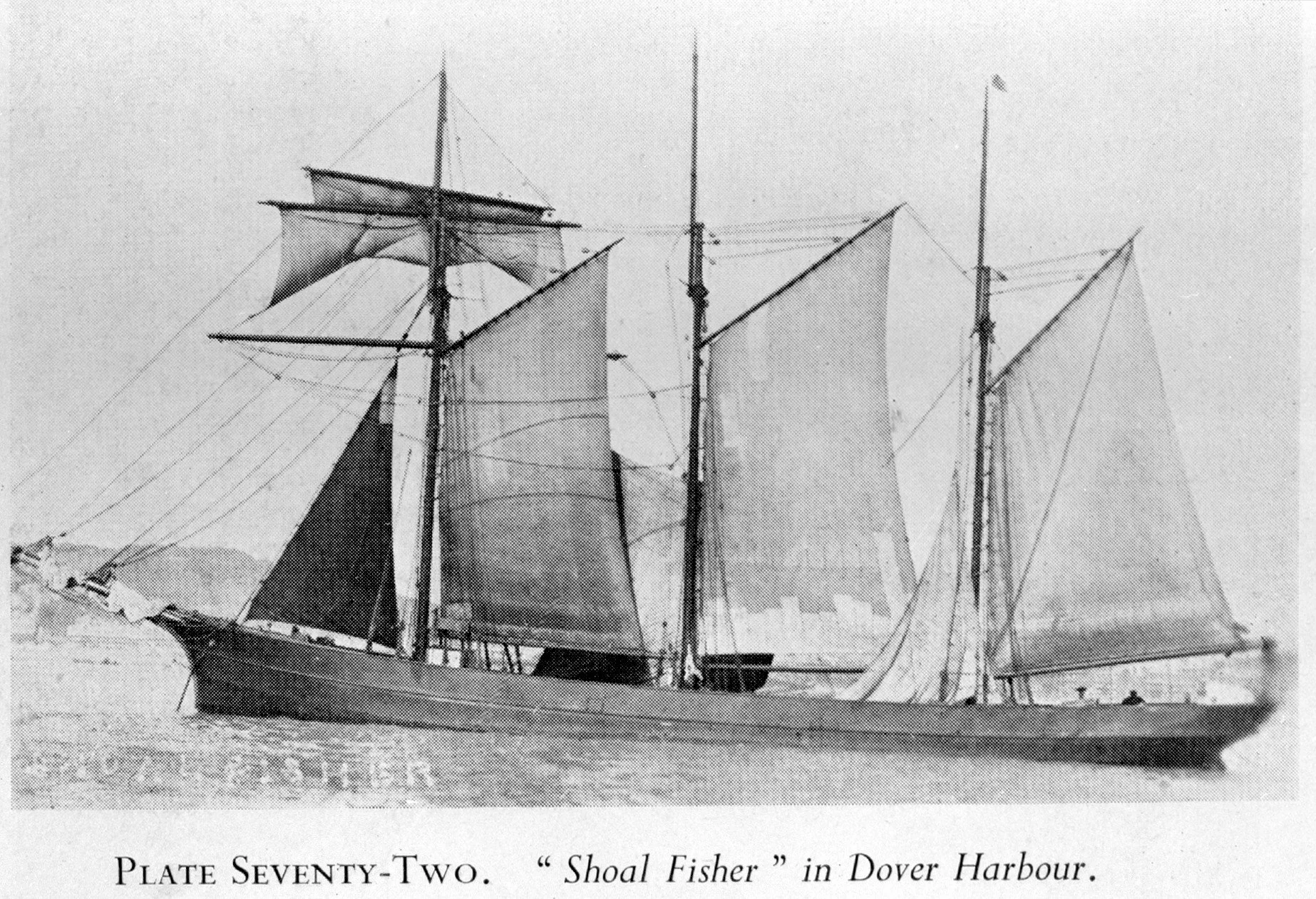
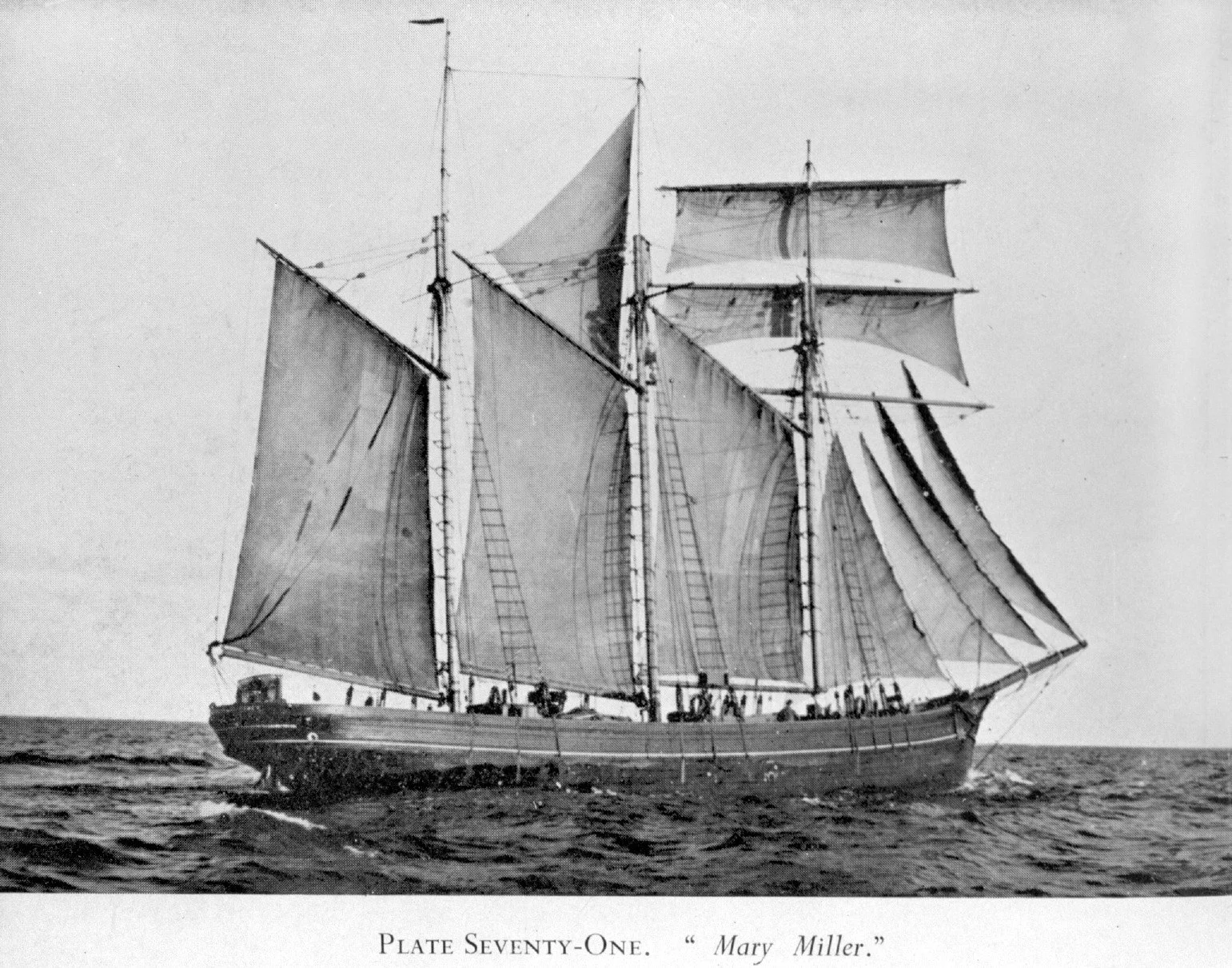
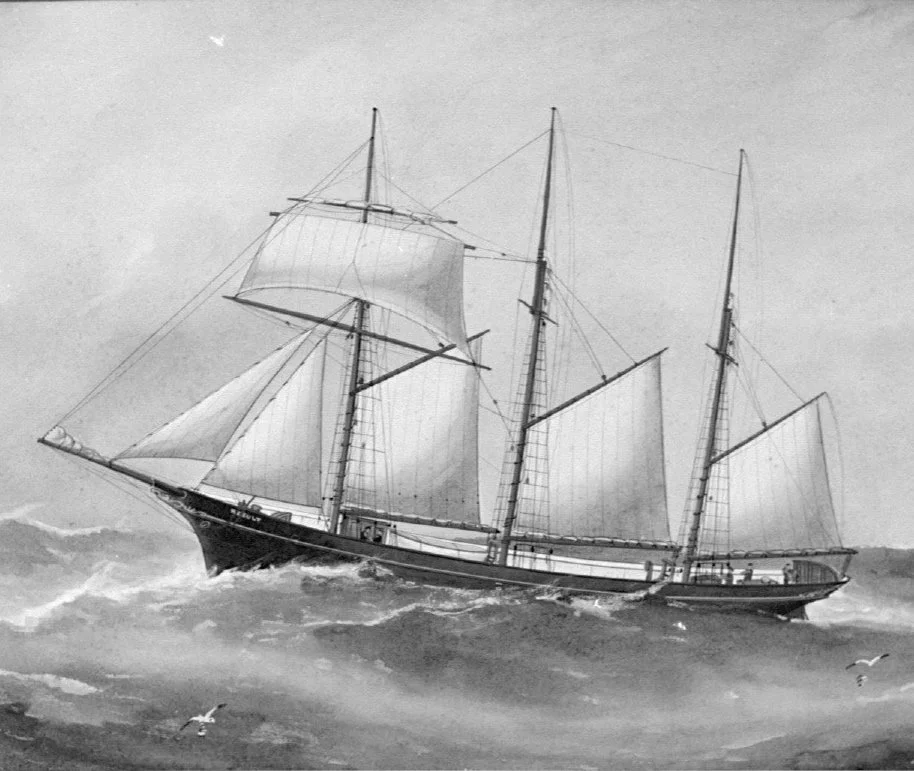
Carrickfergus Built Schooners - Shoal Fisher, Mary Miller and Result. Courtesy of National Museums NI, Ulster Transport Museum Collection
The Workforce
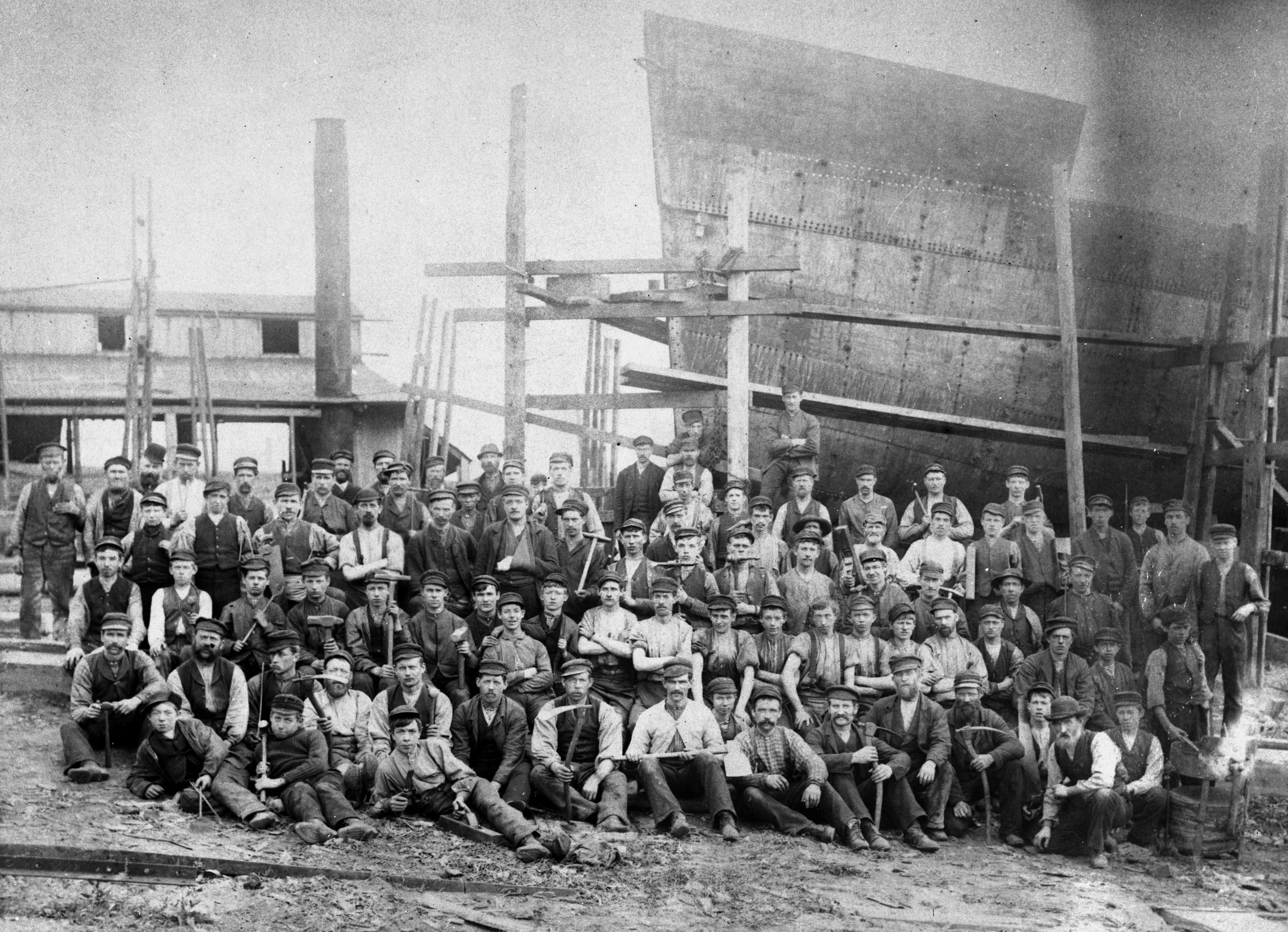
This photograph was taken in 1885 to celebrate the remarkable move from building wooden to iron ships in Carrickfergus - something few small scale shipbuilding businesses dared do. It shows the workforce grouped according to their trades - young apprentices, joiners, riveters and general labourers.
Accompanying the picture is the following list of names:
FOREGROUND: Young, McQuitty, Hyndman Bros, Ross, Skelton, Penny, Mayne, Hamilton Bros, McAulay, Wilson, McAtamney, McKinney, Stewart, Alexander, Beggs, Wallace, McKee, Boyd Bros, Robinson, McIlrath, Moore
MIDDLE: Stewart, Hunter, Gray, Simple, Wallace Bros, Clawson, Johnson, English, Creighton, McQuitty Bros, Knowles, Hill
BACKGROUND: Strahan, Patterson, McKinney, Turner, Hill, Stevenson, McMurtry, Donald, Boyd, Alexander, Cooper, Hassan, Bryans, William Rodgers